Introduction
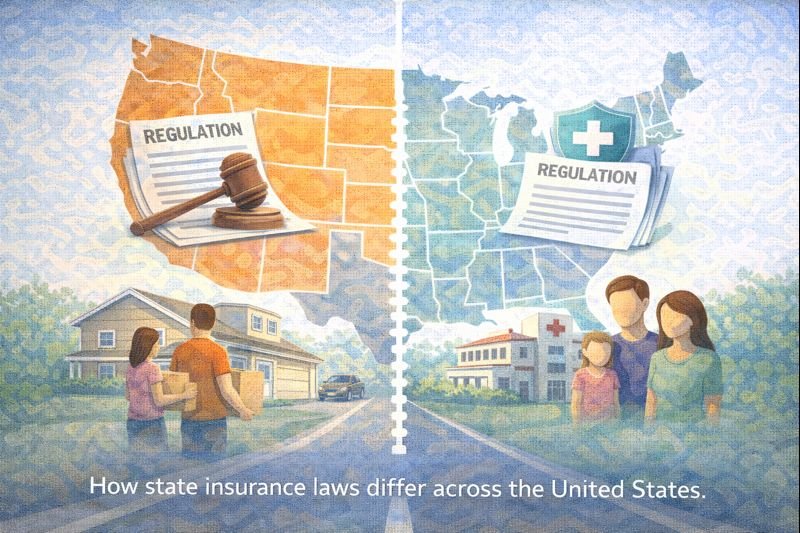
Insurance regulation in the United States is highly decentralized. Each state sets its own rules, coverage requirements, enforcement mechanisms, and penalties. As a result, how state insurance laws differ across the U.S. is a critical consideration for drivers, homeowners, employers, and anyone navigating insurance compliance.
Under the Insurance by State framework, the same type of insurance—whether auto, health, homeowners, or workers’ compensation—may have drastically different rules depending on jurisdiction. Understanding these differences is essential for legal compliance, risk management, and financial protection.
This article explores the key variations in state insurance laws, factors driving these differences, and practical implications for consumers.
Why Insurance Laws Differ by State
State insurance laws differ due to several factors:
-
Population density and traffic patterns – Affect auto insurance liability limits and enforcement intensity
-
Healthcare costs and delivery systems – Shape health insurance requirements and coverage standards
-
Natural disaster risks – Influence property insurance mandates and state-backed insurance programs
-
Economic and political priorities – Determine enforcement rigor, penalty severity, and optional coverage standards
These factors combine to create a regulatory landscape in which compliance obligations can vary widely from one state to another.
Key Categories Where State Laws Diverge
1. Auto Insurance
Auto insurance is the most commonly regulated type of insurance at the state level. Differences include:
-
Minimum liability coverage limits
-
No-fault vs. at-fault systems
-
Required personal injury protection (PIP)
-
SR-22 or high-risk filings
-
Penalty structures for non-compliance
These differences affect insurance premiums, claims processes, and legal exposure.
2. Health Insurance
Health insurance requirements differ across states in areas such as:
-
Individual mandates for residents
-
Minimum essential coverage definitions
-
Marketplace enrollment rules
-
Subsidy eligibility and state-specific Medicaid expansions
Some states enforce penalties for non-compliance, while others rely on federal standards or leave coverage voluntary.
3. Homeowners and Property Insurance
Homeowners insurance requirements differ primarily due to geography and lender requirements:
-
Coastal states may require windstorm coverage or separate hurricane deductibles
-
Flood-prone states often mandate participation in the National Flood Insurance Program (NFIP)
-
Earthquake-prone regions emphasize optional but regulated earthquake policies
Even when not legally mandated, these state-driven requirements shape coverage options and consumer protections.
4. Workers’ Compensation Insurance
Workers’ compensation laws differ in:
-
Thresholds for employer coverage
-
Benefit levels and waiting periods
-
Reporting requirements and claims procedures
-
Penalties for non-compliance
States enforce these rules aggressively to protect employees while balancing employer costs.
5. Specialty and Commercial Insurance
Some states regulate specialty insurance types differently:
-
Professional liability for licensed occupations
-
Environmental liability insurance
-
Commercial vehicle coverage
-
State-backed insurance pools for high-risk sectors
Insurance by State ensures that these niche requirements are tailored to local risk factors.
Penalties and Enforcement Differences Across States
Enforcement varies significantly:
-
Automated vs. reactive systems – Some states use real-time verification; others enforce after accidents
-
License suspensions and fines – Penalty severity differs for drivers, homeowners, and employers
-
Escalation for repeat violations – Progressive penalties encourage ongoing compliance
Understanding these differences is critical to avoiding legal and financial consequences.
How Insurance Costs Vary by State
Variations in coverage requirements directly impact costs:
-
States with higher minimum liability limits or stronger consumer protections generally have higher premiums
-
States with minimal coverage requirements may have lower premiums but higher financial exposure
-
Regional risk factors such as hurricanes, floods, or wildfires also influence pricing
Consumers must balance legal compliance with adequate protection.
Interstate Considerations
For individuals and businesses operating across state lines:
-
Coverage that satisfies one state may not meet another state’s minimum requirements
-
Relocating may require policy adjustments to comply with new state laws
-
Multi-state businesses must navigate varying workers’ compensation and liability requirements
Insurance by State compliance is dynamic and requires careful attention to jurisdiction-specific rules.
Practical Tips for Navigating State Differences
-
Consult State Departments of Insurance – Official sources provide current regulations
-
Work with licensed insurance professionals – They understand regional nuances
-
Review policies regularly – Laws and risk exposure change over time
-
Plan for state-specific risks – Tailor coverage to geographic and industry-specific factors
These steps help ensure compliance and adequate protection across jurisdictions.
Trends in State Insurance Law Differences
Emerging trends that may influence future differences include:
-
Expanded state health insurance mandates
-
Increasing natural disaster risks affecting property insurance
-
Growth of telematics and usage-based auto insurance
-
Shifts in workers’ compensation rules to accommodate gig economy workers
Staying informed about these trends is essential for proactive risk management.
Conclusion
Understanding how state insurance laws differ across the U.S. is a key aspect of responsible risk management. Whether for auto, health, property, or workers’ compensation insurance, state-level regulation shapes coverage requirements, enforcement, penalties, and costs.
Within the Insurance by State framework, consumers and businesses must remain informed about their jurisdiction-specific obligations. Compliance is not optional—it protects legal standing, financial assets, and personal safety. Staying proactive and seeking expert guidance ensures that insurance coverage aligns with both state law and individual risk needs.