
Introduction
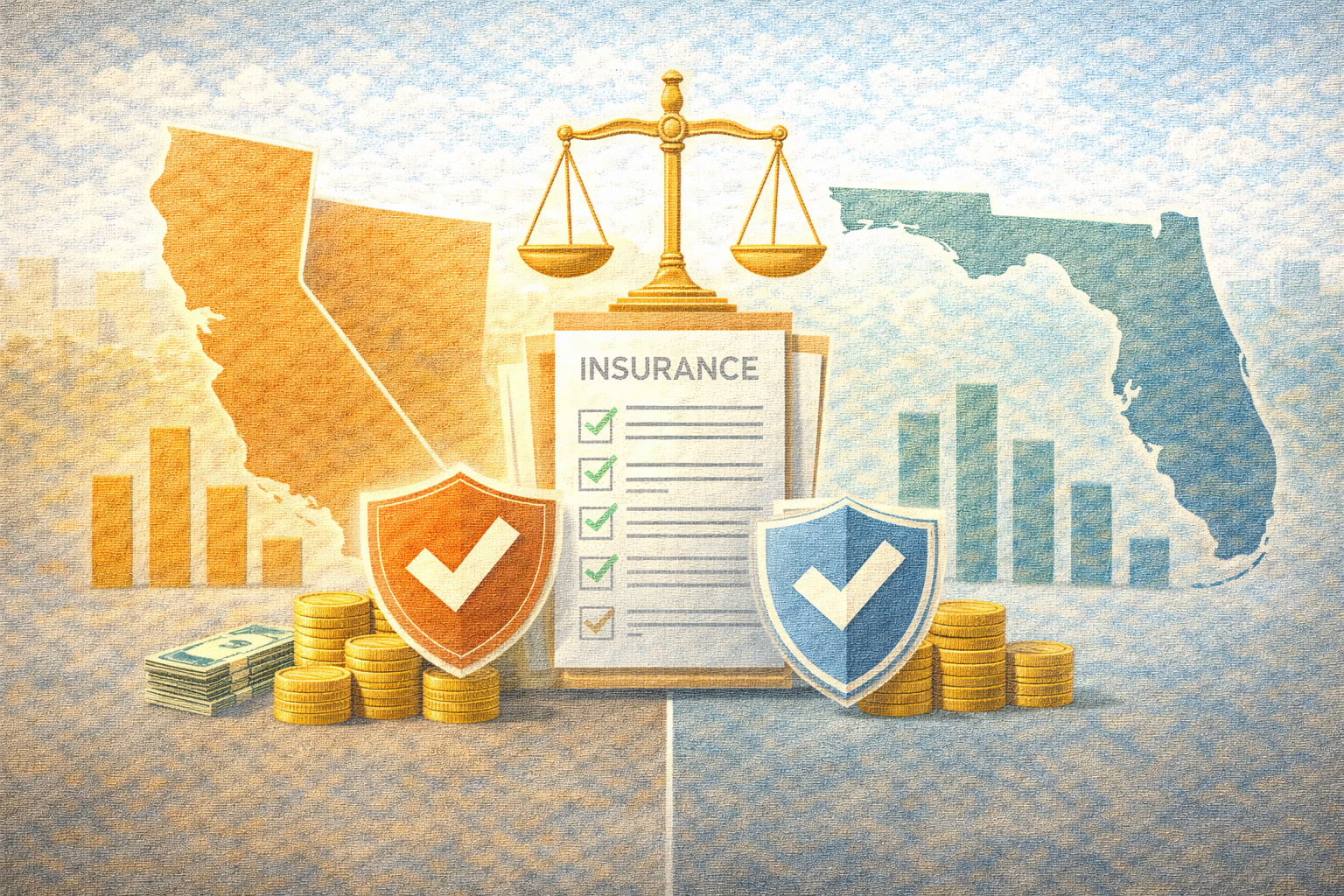
Insurance laws in the United States are not uniform. Instead, they are shaped by a complex regulatory system in which individual states hold primary authority over insurance markets. As a result, consumers often find it difficult to understand why insurance rules vary so widely depending on location. This is where a clear state-by-state insurance coverage laws explained framework becomes essential.
Under the concept of Insurance by State, coverage requirements, enforcement standards, and legal obligations differ significantly across jurisdictions. These differences affect how much insurance is required, what types of coverage are mandatory, and how violations are penalized. For individuals who move, own property in multiple states, or operate businesses across state lines, understanding these variations is critical.
This article provides a structured, in-depth explanation of how insurance coverage laws work on a state-by-state basis and why these differences matter.
Why Insurance Coverage Laws Are State-Specific
The foundation of state-level insurance regulation lies in the McCarran–Ferguson Act, which grants states the authority to regulate insurance without federal preemption in most cases. This legal framework allows each state to:
-
Define mandatory insurance coverage
-
Establish minimum coverage limits
-
License insurers and agents
-
Enforce compliance through penalties
As a result, Insurance by State reflects local priorities, economic conditions, and risk profiles rather than a single national standard.
How State Insurance Coverage Laws Are Structured
Although details vary, most state insurance laws follow a similar structural approach:
Mandatory Coverage
Coverage required by law, such as auto liability insurance or workers’ compensation.
Optional but Regulated Coverage
Coverage that is not mandatory but must be offered or disclosed, such as uninsured motorist coverage.
Conditional Requirements
Coverage triggered by specific circumstances, such as SR-22 filings after violations or flood insurance in high-risk zones.
Understanding this structure helps consumers interpret how state-by-state insurance coverage laws are explained and applied in practice.
Major Categories of Insurance Regulated by States
Auto Insurance Coverage Laws
Auto insurance is the most heavily regulated insurance category at the state level. Nearly every state requires some form of financial responsibility, typically through liability insurance.
However, states differ in:
-
Required liability limits
-
No-fault versus at-fault systems
-
Acceptance of alternatives like surety bonds
These differences highlight how Insurance by State directly affects drivers’ legal obligations.
Health Insurance Coverage Laws
While federal law sets baseline standards through the Affordable Care Act, states play a major role in health insurance regulation.
State authority includes:
-
Enforcing individual mandates in certain states
-
Regulating plan design and consumer protections
-
Managing state health insurance marketplaces
This creates significant variation in health insurance obligations across the U.S.
Property and Homeowners Insurance Laws
Homeowners insurance laws vary widely by state and are often influenced by geographic risk factors.
Examples include:
-
Coastal states emphasizing windstorm coverage
-
Flood-prone states requiring separate flood insurance programs
-
Earthquake zones mandating disclosure requirements
Although homeowners insurance is usually not legally required, state law still plays a major role in coverage standards.
Workers’ Compensation Coverage Laws
Workers’ compensation insurance is governed almost entirely at the state level. Each state determines:
-
Which employers must carry coverage
-
Benefit levels and waiting periods
-
Penalties for non-compliance
This is one of the clearest examples of how state-by-state insurance coverage laws explained can differ dramatically between jurisdictions.
No-Fault vs. At-Fault States: A Key Legal Divide
One of the most important distinctions in Insurance by State regulation is the difference between no-fault and at-fault systems, particularly in auto insurance.
No-Fault States
-
Require personal injury protection (PIP)
-
Limit lawsuits for minor injuries
-
Emphasize faster claims resolution
At-Fault States
-
Assign liability to the responsible party
-
Allow broader legal claims
-
Typically have lower mandatory PIP requirements
This legal distinction affects coverage costs, claims processes, and consumer rights.
How Coverage Limits Differ from State to State
Minimum coverage limits are one of the most visible differences in state insurance laws.
Factors influencing limits include:
-
Average medical costs
-
Population density
-
Litigation frequency
-
Historical loss data
Some states require relatively high minimums to protect accident victims, while others set lower thresholds and rely on personal responsibility.
Enforcement and Compliance Differences
Insurance laws are only effective if enforced. States vary significantly in how they ensure compliance.
Common enforcement methods include:
-
Insurance verification databases
-
Registration denial or suspension
-
Fines and administrative penalties
In some states, enforcement is proactive and automated. In others, compliance is enforced primarily after accidents or claims.
How State Insurance Laws Affect Insurance Costs
Differences in insurance coverage laws directly influence pricing. Insurance by State affects:
-
Premium levels
-
Availability of coverage
-
Underwriting standards
States with higher minimum requirements and stronger consumer protections often experience higher average premiums, while states with lower requirements may expose consumers to greater financial risk.
Challenges for Consumers Navigating State-by-State Insurance Laws
Consumers frequently encounter difficulties when:
-
Moving between states
-
Owning property in multiple jurisdictions
-
Operating businesses across state lines
Policies that are compliant in one state may not meet legal requirements in another. This makes understanding state-by-state insurance coverage laws explained not just helpful, but necessary.
Why Insurance by State Knowledge Matters
Understanding Insurance by State empowers consumers to:
-
Avoid legal penalties
-
Maintain continuous coverage
-
Make informed coverage decisions
-
Protect personal and financial assets
Insurance compliance is not static. State laws evolve in response to economic trends, climate risk, and political priorities.
Future Trends in State Insurance Regulation
Looking ahead, state insurance laws are likely to evolve in response to:
-
Climate change and natural disaster risk
-
Healthcare system reform
-
Advances in data and usage-based insurance
-
Increased interstate mobility
These trends will further shape how insurance coverage laws differ across the U.S.
Conclusion
State-by-state insurance coverage laws explained reveal a complex but purposeful regulatory system designed to address local risks and consumer needs. While this decentralized approach creates variation, it also allows states to adapt insurance rules to their unique environments.
For consumers, understanding Insurance by State is essential for legal compliance, financial security, and long-term planning. Staying informed about state-specific insurance laws is not just a legal obligation—it is a critical component of responsible risk management.