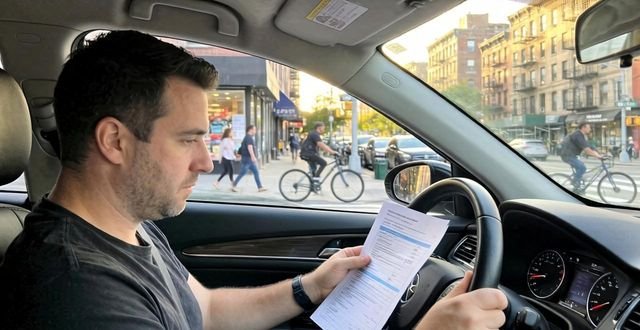
You’re driving home from work, maybe picking up the kids,when your phone buzzes with a calendar reminder: your car insurance bill is due. For a moment, your mind drifts from the road. You think about the mortgage payment, the rising grocery bills, the cost of just keeping the lights on. The premium feels like another weight. But what if, in a split second, that monthly bill became the least of your worries? What if a fender-bender spiraled into a financial crisis because you didn’t understand the rules of the road for your coverage? That pit in your stomach, that’s the anxiety of the unknown. Let’s replace that with clarity.
Here is where things get tricky. Car insurance in America isn’t a one-policy-fits-all product. It’s a contract governed by state laws and fine print that can feel like a foreign language. Your state sets the minimum liability limits—the bare legal floor you must stand on to drive. Think of it as the government’s safety net, but one with holes big enough for your life savings to fall through. In California, it’s 15/30/5. In Florida, it’s a mere $10,000 in Personal Injury Protection (PIP). These numbers are a stark reality, not just abstract terms. They mean if you cause an accident with injuries totaling $50,000 and you only carry your state’s $25,000 bodily injury limit per person, you are personally on the hook for the remaining $25,000. Your wages could be garnished. Your assets could be seized. The minimum is often a trap for the financially vulnerable.
But there is a catch with the “better” policies, too. You might opt for high limits and comprehensive coverage, feeling secure. However, the elimination period of your policy’s rental car reimbursement—or the lack of it—can blindside you. If your car is in the shop for two weeks after an accident and your policy doesn’t include rental coverage, or has a high daily limit that doesn’t cover the actual cost of a comparable rental, you’re paying out-of-pocket for transportation. That’s a direct hit to your monthly cash flow. It’s these granular details, not the glossy brochure promises, that define your real-world protection.
| Coverage Type | What It Typically Does | The Common Pitfall (The “Fine Print”) |
|---|---|---|
| Liability (State Minimum) | Pays for others’ injuries/property you damage. | Limits are often shockingly low. A serious accident = personal bankruptcy risk. |
| Collision | Pays to repair your car after an accident. | Comes with a deductible ($500, $1000). You pay that first. High deductible = lower premium, but more upfront cost post-accident. |
| Uninsured/Underinsured Motorist (UM/UIM) | Protects YOU if the at-fault driver has no/not enough insurance. | Many drivers waive this to save $20/month. This is the coverage that saves you from others’ irresponsibility. |

Now, let’s talk taxes—because the IRS is always a silent passenger. Generally, personal car insurance payouts for repairs or liability claims are not considered taxable income. That’s the good news. But here’s the twist few discuss: if you use your vehicle for business (like rideshare or deliveries) and deduct a portion of your insurance premiums on your taxes, you must prorate any claim payout. A portion of that reimbursement could be considered taxable income. It’s a nuance that turns a straightforward claim into a tax filing complication. This is where an independent agent earns their keep, helping you navigate the overlap of insurance code and tax code.
I see smart people make costly errors all the time. The first major mistake is believing “I’m a safe driver, so minimum coverage is enough.” This confuses fault with financial exposure. You can be the safest driver on the planet, but you cannot control the other driver who hits you, or more critically, the jury award in a lawsuit against you. The second mistake is shopping on price alone. The cheapest policy often has the most restrictive network of repair shops, the slowest claims process, or the most aggressive adjusters looking to lowball settlements. You’re buying a promise to be made whole after a crisis. Is the cheapest promise the one you want to rely on? The third mistake is setting and forgetting. You bought a policy in 2015. Have you updated it for the new car, the teen driver, the home you bought? Your policy is a living document. It atrophies if neglected.
So, what’s your next move? Don’t just click “renew” or go for the online quote with the biggest discount banner. First, dig out your current policy’s declarations page. Understand your limits, your deductibles, and what’s not covered. Second, have a 20-minute conversation with an independent agent in your state. Not a captive agent for one company, but an independent broker who can compare policies from multiple, highly-rated carriers. Ask them this specific question: “Based on my assets and driving habits, where am I most exposed in my current policy?” Third, run the numbers not just on the six-month premium, but on the potential out-of-pocket costs (deductibles, rental gaps) you’d face in a claim. The goal isn’t just to be insured. It’s to be indemnified—to be truly restored. That peace of mind, that’s the destination. Let’s make sure your policy can actually get you there.